

Welcoming a rabbit into your home is exciting. But many new owners don’t realize how much preparation is needed. Rabbits are gentle, smart, and active. They need the right supplies for comfort, safety, and health. Missing even a few essentials can lead to stress, illness, or boredom.
This guide will help you understand exactly what your rabbit needs, why it matters, and how to choose wisely. Let’s make your bunny’s new life happy and healthy.
Safe And Spacious Habitat
Your rabbit’s habitat is their main home. It must be safe, roomy, and easy to clean. Many beginners buy small cages, but rabbits need space to move.
- Minimum size: For one rabbit, experts recommend at least 12 square feet (about 4ft x 3ft) of floor space.
- Indoor vs outdoor: Indoor habitats are safer from weather and predators. Outdoor hutches need extra protection.
- Material: Wire floors can hurt rabbit feet. Choose habitats with solid flooring.
Example Habitat Comparison
| Habitat Type | Size (sq ft) | Floor Material | Best For |
|---|---|---|---|
| Small cage | 4 | Wire | Temporary use |
| Large indoor pen | 16 | Plastic/wood | Daily living |
| Outdoor hutch | 12 | Wood | Supervised use |
Non-obvious tip: Place the habitat away from loud noises and strong smells. Rabbits get stressed easily.
Comfortable Bedding
Bedding keeps your rabbit warm and dry. It absorbs urine and gives soft padding.
- Popular types: Paper-based bedding, hay, and aspen shavings.
- Avoid: Pine and cedar shavings. They can cause breathing problems.
Practical Bedding Data
- Paper bedding: Absorbs well, controls odor, safe for all ages.
- Hay: Can double as bedding and food, but needs frequent changing.
- Aspen: Natural and safe, but less absorbent.
Beginner mistake: Using old blankets or towels. Rabbits may chew and swallow fibers, risking stomach blockage.
Litter Box And Safe Litter
Rabbits can be litter trained. This keeps their habitat clean and reduces odor.
- Box size: Choose a box big enough for your rabbit to turn around.
- Litter material: Use paper-based or wood-based litter. Never use clumping cat litter.
Litter Box Options
| Litter Box Type | Material | Size (inches) | Safety |
|---|---|---|---|
| Corner box | Plastic | 12×8 | Safe |
| Large tray | Plastic | 16×12 | Safe |
| Cat box | Plastic | 18×14 | Safe if low sides |
Non-obvious tip: Place hay in the litter box. Rabbits like to eat while using the box, making training easier.
Fresh Water Dispenser
Clean water is critical. Rabbits can get dehydrated quickly.
- Bottle vs bowl: Bowls are easier for rabbits, but bottles stay cleaner.
- Material: Use glass or BPA-free plastic.
- Change water daily: This prevents bacteria.
Example: A 4-pound rabbit drinks about 1 cup of water per day.
Beginner mistake: Forgetting to check water levels. Some bottles leak or clog.
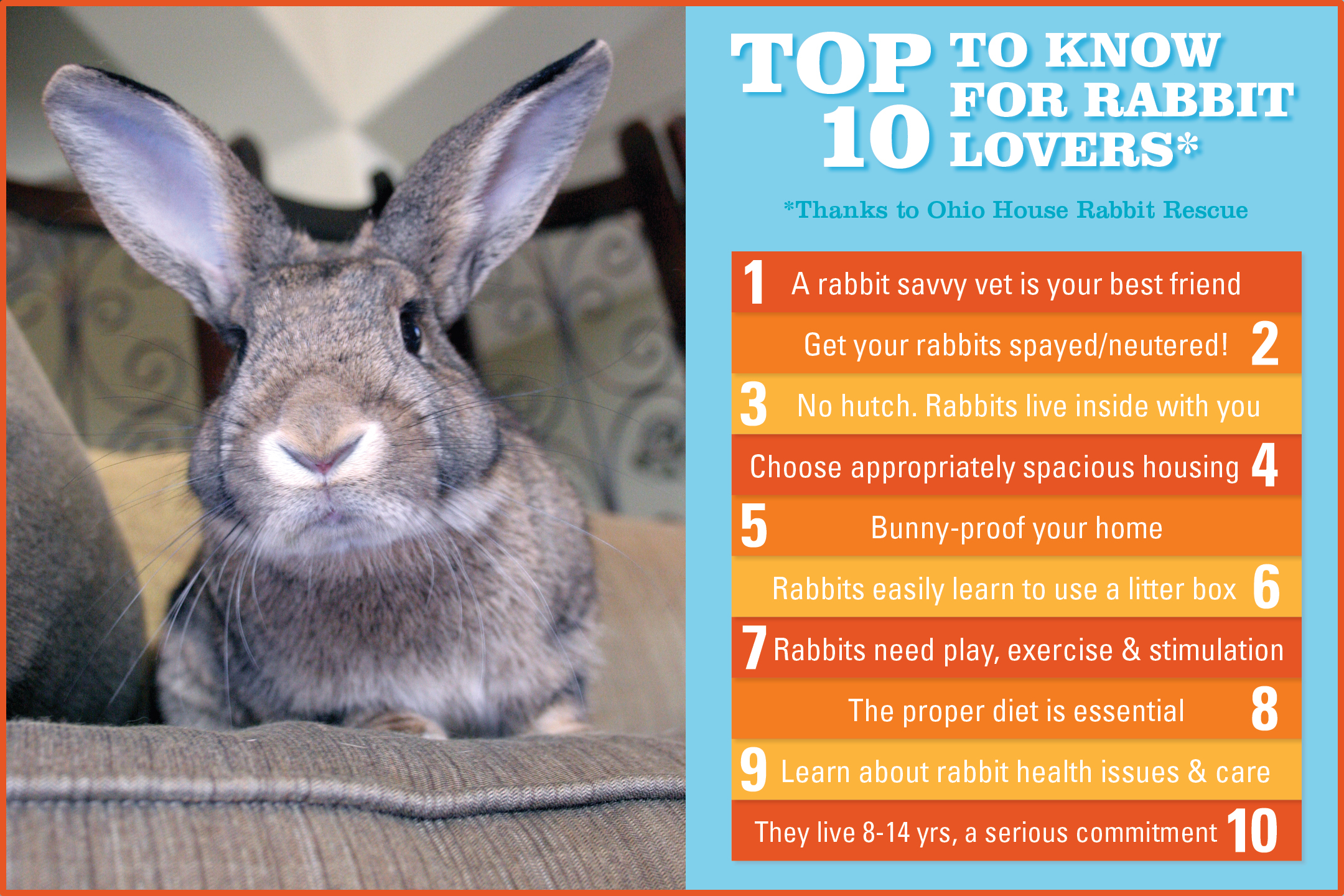
Credit: rabbit.org
Nutritious Food And Hay
Feeding rabbits correctly prevents illness and obesity.
- Main diet: 80% should be fresh hay (timothy, orchard, or meadow hay).
- Pellets: Choose high-fiber, low-calcium pellets. No seeds or colored bits.
- Fresh vegetables: Offer leafy greens like romaine, cilantro, or parsley daily.
Food Comparison Table
| Food Type | % of Diet | Common Examples | Feeding Frequency |
|---|---|---|---|
| Hay | 80 | Timothy, Orchard, Meadow | Always available |
| Pellets | 10 | High-fiber rabbit pellets | 1-2x daily |
| Vegetables | 10 | Romaine, cilantro, parsley | Daily |
Non-obvious tip: Do not feed iceberg lettuce or sugary fruits. These can cause diarrhea.
Chew Toys And Enrichment
Rabbits’ teeth grow all their lives. Chewing is essential to keep teeth healthy and prevent boredom.
- Safe materials: Wood (untreated), cardboard, hay-based toys.
- Types: Blocks, tunnels, balls, hanging toys.
Example: A bored rabbit may chew furniture or wires. Good toys prevent this.
Beginner mistake: Offering plastic toys. Rabbits can chew and swallow harmful pieces.
Grooming Tools
Regular grooming keeps your rabbit’s coat healthy and reduces shedding.
- Brush: Use a soft-bristle brush or a slicker brush for long-haired breeds.
- Nail clippers: Rabbits’ nails grow fast. Trim every 4–6 weeks.
- Styptic powder: Useful if you accidentally cut too short.
Non-obvious tip: Grooming also helps you check for lumps, injuries, or parasites.
Health And First Aid Kit
Being ready for minor health issues is important. Rabbits can hide illness, so quick action matters.
- Kit essentials:
- Nail clippers
- Styptic powder
- Digital thermometer (rectal, for rabbits)
- Syringe (for water or medicine)
- Gauze pads and saline
- Critical care food (for emergencies)
Example: If your rabbit stops eating for 12 hours, use the syringe to offer water and contact your vet.
Beginner mistake: Not knowing emergency signs. Look for sudden changes in eating, droppings, or movement.
Carrier For Travel
You need a carrier for vet visits or emergencies. Choose one that is safe and comfortable.
- Size: Enough for rabbit to turn around, but not too big.
- Material: Hard plastic is best. Soft carriers are only for short trips.
- Ventilation: Look for plenty of air holes.
Non-obvious tip: Place a towel and hay inside. This keeps your rabbit calm.
Rabbit-proofing Supplies
Rabbits love to explore. They may chew wires, furniture, or carpet.
- Wire covers: Protect cords from chewing.
- Baby gates: Block unsafe areas.
- Corner guards: Stop chewing on furniture edges.
Example: Use wire covers from hardware stores. Never use tape—it can stick to fur and skin.
Beginner mistake: Letting rabbits roam unsupervised. Always watch them until you know their habits.

Credit: www.amazon.com
Exercise And Play Space
Rabbits need exercise every day. This prevents obesity and keeps them happy.
- Indoor playpens: Allow safe space to run and jump.
- Outdoor time: Only with supervision and secure fencing.
Non-obvious tip: Change the play area often. New objects keep rabbits interested.
Essential Cleaning Supplies
Clean habitats prevent illness and odor.
- Pet-safe cleaners: Use vinegar or mild soap. Avoid strong chemicals.
- Litter scoop: Makes cleaning faster.
- Towels and wipes: Useful for accidents.
Example: Clean the litter box every day. Deep clean the habitat weekly.
Beginner mistake: Using bleach. Even small amounts can harm rabbits.

Credit: rforrabbit.com
Emergency Contact Information
Always keep vet contact details handy. Rabbits can get sick quickly.
- Rabbit-savvy vet: Not all vets know rabbits well. Find one before emergencies.
- Poison control: Keep numbers for animal poison control.
Non-obvious tip: Print contacts and keep near the habitat.
Social And Comfort Items
Rabbits are social animals. They need comfort and companionship.
- Hideouts: Provide boxes or tunnels for privacy.
- Soft blankets: Use only if your rabbit doesn’t chew them.
- Bonding: Spend time daily with your rabbit. Gentle petting builds trust.
Example: Two rabbits can share a habitat if they are bonded. Introduce slowly.
Data: Common Rabbit Owner Mistakes
Many beginners make errors that can harm rabbits. Here are some frequent mistakes and how to avoid them.
| Mistake | Impact | Solution |
|---|---|---|
| Small cage | Stress, obesity | Buy larger habitat |
| Wrong food | Digestive upset | Feed hay, safe veggies |
| No toys | Boredom, destructive behavior | Offer chew toys |
| Unsafe litter | Breathing issues | Use paper-based litter |
| Not rabbit-proofing | Injury, electric shock | Cover wires, block areas |
Real-life Example: Setting Up For A New Rabbit
Let’s look at a practical setup for a beginner:
- Habitat: 16 sq ft indoor pen, solid flooring.
- Bedding: Paper-based, changed weekly.
- Litter box: Large tray with paper litter and hay.
- Water: Glass bowl, fresh daily.
- Food: Timothy hay always, 1/4 cup high-fiber pellets, 1 cup leafy greens.
- Chew toys: Cardboard tunnels, wood blocks.
- Grooming: Soft brush, nail clippers.
- First aid: Digital thermometer, syringe, styptic powder.
- Carrier: Hard plastic, towel inside.
- Rabbit-proofing: Wire covers, gates.
- Exercise: 2 hours daily in playpen.
- Cleaning: Vinegar spray, litter scoop.
- Comfort: Hideout box, soft blanket.
Cost estimate: Initial setup can cost $200–$350, depending on quality and size.
For more detailed rabbit care guides, visit House Rabbit Society.
Frequently Asked Questions
How Big Should A Rabbit’s Habitat Be?
Experts suggest at least 12 square feet for one rabbit. Larger is always better. Rabbits need room to hop, stretch, and play.
What Is The Best Bedding For Rabbits?
Paper-based bedding is safest and absorbs well. Hay is also good but needs frequent changing. Avoid pine and cedar—they can cause health problems.
Can Rabbits Be Litter Trained?
Yes, most rabbits learn quickly. Use a paper-based litter and place hay in the box. Clean daily to prevent odor and encourage use.
How Often Should I Groom My Rabbit?
Brush your rabbit once a week (short-haired) or every other day (long-haired). Trim nails every 4–6 weeks. Check for health issues during grooming.
What Foods Should I Avoid Giving My Rabbit?
Do not feed iceberg lettuce, sugary fruits, or seeds. Stick to timothy hay, safe veggies, and high-fiber pellets. Unsafe foods can cause diarrhea or obesity.
Welcoming a rabbit is a rewarding experience. With the right items, your bunny will be safe, healthy, and happy. Take time to set up their home carefully, learn their needs, and check for signs of stress or illness. Investing in good supplies from the start prevents problems later.
Enjoy the journey with your new furry friend!