

Can Rabbits Eat Peas?
Rabbits are curious eaters. If you share your home with one, you may wonder, “Can rabbits eat peas? ” It’s a common question for pet owners who want to offer a healthy, interesting diet. The answer is yes—rabbits can eat peas, but there are important facts to know before you add them to your bunny’s menu.
This article explains what types of peas are safe, how much to feed, and the benefits and risks. You’ll also learn tips for serving peas, what to avoid, and how peas compare to other vegetables in a rabbit’s diet. Whether you’re a new rabbit parent or have experience, this guide gives you clear, practical advice.
Are Peas Safe For Rabbits?
Many owners worry if peas are safe for their pets. The good news is that peas—in moderation—are not toxic to rabbits. This includes:
- Garden peas (also called English peas)
- Snow peas
- Snap peas
These types are commonly sold fresh, and their pods and seeds are generally safe to eat. However, dried peas, cooked peas, canned peas, and frozen peas with added salt or seasoning are not recommended. Rabbits have sensitive digestive systems. Any food outside their natural plant-based diet can cause problems if given in the wrong form or amount.
Key safety points:
- Only offer fresh, raw peas
- Avoid salted, spiced, or processed peas
- Introduce peas slowly to watch for any reaction
Nutritional Value Of Peas For Rabbits
Peas are small but pack a variety of nutrients. Here’s a look at their main nutrients and what they mean for your rabbit:
- Vitamin C: Good for overall health, but rabbits can make their own vitamin C.
- Vitamin K: Supports blood health.
- Fiber: Important for digestion, but peas have less fiber than hay or leafy greens.
- Sugar and starch: Peas have more natural sugar and starch compared to most leafy greens.
To see how peas stack up to other veggies, check the comparison below.
| Vegetable | Fiber (g/100g) | Sugar (g/100g) | Starch (g/100g) | Calories (per 100g) |
|---|---|---|---|---|
| Peas (fresh) | 5.7 | 5.7 | 8.8 | 81 |
| Romaine Lettuce | 2.1 | 1.2 | 0 | 17 |
| Carrot | 2.8 | 4.7 | 1.4 | 41 |
| Broccoli | 2.6 | 1.7 | 0.2 | 34 |
Peas are higher in calories, sugar, and starch than most leafy greens. Too much can upset a rabbit’s stomach or lead to weight gain.
How Much Peas Can Rabbits Eat?
Peas should only be a treat—not a main part of your rabbit’s diet. Here’s a practical guide:
- Adult rabbits: Offer 1–2 teaspoons of fresh peas (with pods) per 2 lbs (900 g) of body weight, 1–2 times a week.
- Young rabbits (under 12 weeks): Avoid peas. Their digestive systems are not ready for starchy veggies.
- Senior rabbits: Some older rabbits may have trouble digesting sweet or starchy foods. Check with your vet first.
Peas should never replace the main diet of timothy hay and fresh water. Hay is high in fiber and keeps your rabbit’s gut healthy.
Benefits Of Feeding Peas To Rabbits
Peas can add variety and mental stimulation. Here’s how they help:
- Enrichment: New tastes and textures keep rabbits interested in their food.
- Vitamins and minerals: Peas provide small amounts of vitamin K, manganese, and B vitamins.
- Hydration: Fresh peas contain water, which helps prevent dehydration.
- Bonding: Hand-feeding peas can build trust between you and your pet.
But these benefits come only when peas are part of a balanced diet, not a main food.
Risks And Side Effects Of Peas For Rabbits
While peas are safe in small amounts, there are real risks if you feed too many:
- Digestive upset: Too many peas can cause gas, bloating, or diarrhea because of their sugar and starch content.
- Obesity: Peas are higher in calories. Overfeeding can lead to weight gain and related health problems.
- Selective eating: If a rabbit gets too many sweet treats, it may ignore hay and leafy greens.
- Urinary issues: Pea pods contain more calcium than the seeds, which can lead to bladder problems if fed often.
Signs of trouble:
- Reduced appetite
- Lethargy or hiding
- Small or misshapen droppings
- Swollen belly
If you notice these signs after feeding peas, stop and contact your vet.
Types Of Peas And Their Suitability
There are several types of peas you may find in stores or gardens. Here’s how each type fits into a rabbit’s diet:
| Pea Type | Edible Part | Safe for Rabbits? | Notes |
|---|---|---|---|
| Garden Peas | Seeds & Pod | Yes (fresh) | Pod is fibrous, feed in moderation |
| Snow Peas | Pod & Seeds | Yes (fresh) | Pod is tender, lower sugar |
| Snap Peas | Pod & Seeds | Yes (fresh) | Sweeter, limit quantity |
| Dried Peas | Seeds | No | Too much starch, hard to digest |
| Canned Peas | Seeds | No | High in salt/preservatives |
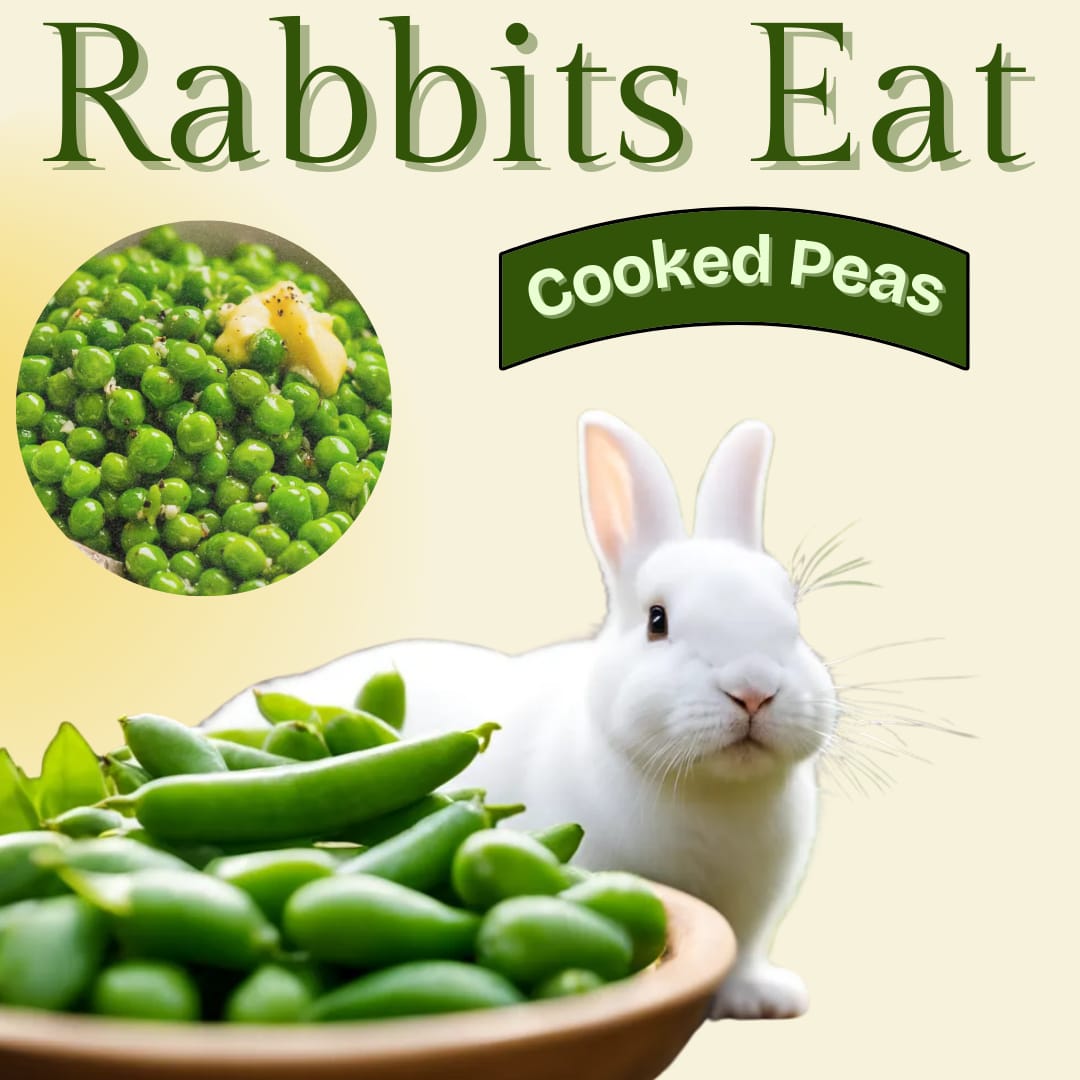
| Cooked Peas | Seeds | No | Lose nutrients, not natural for rabbits |
Fresh, raw peas (pods and seeds) are best. Never feed dried, canned, or cooked peas.
Credit: vocal.media
How To Feed Peas To Your Rabbit
Feeding peas is simple but requires a few steps for safety:
- Choose fresh peas: Use organic peas if possible. Wash thoroughly to remove pesticides.
- Check for spoilage: Avoid wilted or moldy peas.
- Serve raw, not cooked: Cooking changes the texture and nutrients.
- Chop into small pieces: Especially for young or small rabbits, to prevent choking.
- Mix with other veggies: Combine peas with leafy greens like romaine, cilantro, or parsley for variety.
- Limit quantity: Stick to the suggested amounts for your rabbit’s size.
Example feeding routine:
- Offer a mix of leafy greens daily (about 1 cup per 2 lbs of body weight).
- Add 1–2 teaspoons of chopped peas as a treat, no more than twice per week.
Signs Your Rabbit Likes Or Dislikes Peas
Each rabbit has its own preferences. Here’s how to tell:
- Likes peas: Eats them quickly, searches for more, or picks peas first from a mix.
- Dislikes peas: Ignores them, pushes them aside, or leaves peas uneaten while finishing other veggies.
If your rabbit doesn’t like peas, don’t force it. There are many other safe treats to try.
Can Wild Rabbits Eat Peas?
Wild rabbits have a different diet from pet rabbits. They eat mostly grasses, weeds, and leaves. If they find pea plants in a garden, they may nibble both the leaves and pods. However, wild rabbits rarely eat large amounts of sweet peas because they instinctively limit sugary foods.
For pet rabbits, owners must control portions since domestic rabbits don’t always regulate their intake.
Peas Compared To Other Rabbit Treats
How do peas compare to other common rabbit treats? Here’s a quick look.
| Treat | Sugar Content (g/100g) | Fiber Content (g/100g) | Safe Frequency |
|---|---|---|---|
| Peas | 5.7 | 5.7 | 1–2x per week |
| Banana | 12.2 | 2.6 | 1x per week |
| Apple (no seeds) | 10.4 | 2.4 | 1–2x per week |
| Carrot | 4.7 | 2.8 | 2–3x per week |
| Romaine Lettuce | 1.2 | 2.1 | Daily |
Peas are a better treat than bananas or apples due to less sugar, but leafy greens remain the healthiest option for daily feeding.
Credit: www.walkervillevet.com.au
Common Mistakes When Feeding Peas
Even experienced owners can make mistakes. Here are some to avoid:
- Feeding too many peas at once
- Using cooked, dried, or canned peas
- Skipping hay or leafy greens in favor of sweet treats
- Not watching for digestive problems
- Ignoring changes in droppings or eating habits
Always observe your rabbit after offering a new food. If you see any sign of discomfort, stop peas and return to their regular diet.
Practical Tips For A Healthy Rabbit Diet
A balanced diet is the key to a healthy, happy rabbit. Remember:
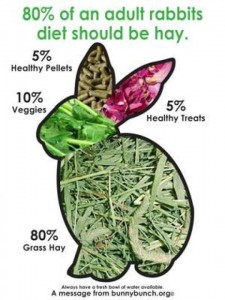
- Hay should be 80–90% of your rabbit’s diet (mainly timothy hay)
- Fresh water must be available at all times
- Leafy greens like romaine, basil, and cilantro are safe daily
- Treats (including peas) should be less than 10% of the diet
- Pellets can be offered in small amounts (about 1/4 cup per 5 lbs of body weight)
Rotate different veggies for variety, and introduce new foods one at a time.

Credit: www.reddit.com
When To Avoid Peas Altogether
There are situations where you should not feed peas:
- Baby rabbits: Under 12 weeks old
- Rabbits with sensitive stomachs: History of GI stasis or digestive issues
- Rabbits prone to obesity
- Those with urinary problems: Especially if they get a lot of high-calcium foods
If you’re unsure, ask a rabbit-savvy veterinarian.
Additional Resources
For more information on rabbit diets and safe vegetables, check out the Wikipedia page on rabbits.
Frequently Asked Questions
Can Rabbits Eat Pea Shoots Or Leaves?
Yes, rabbits can eat pea shoots and leaves in small quantities. These parts are high in fiber and lower in sugar than the seeds or pods. Always serve fresh and washed, and introduce slowly.
Are Frozen Peas Safe For Rabbits?
No, avoid feeding frozen peas. Freezing changes the texture and, once thawed, they can become mushy or develop mold. Many frozen peas also contain added salt or preservatives.
Can Rabbits Eat Dried Split Peas?
No, dried split peas are not safe for rabbits. They are high in starch and hard to digest, which can cause serious digestive upset or even blockages.
How Do I Know If Peas Upset My Rabbit’s Stomach?
Watch for signs like soft droppings, small or misshapen poop, reduced eating, or a bloated belly. If you see these signs after feeding peas, stop immediately and offer only hay and water. If symptoms don’t improve, contact your vet.
What Are The Best Vegetables For Rabbits?
The best vegetables are leafy greens like romaine lettuce, cilantro, and parsley. These are high in fiber and low in sugar. Always feed a mix for variety and nutrition.
Peas can be a fun treat for your rabbit, but they should be given in small amounts. Focus on a high-fiber, plant-based diet and use peas to add occasional variety. By watching your rabbit’s reactions and following safe feeding practices, you can keep your bunny healthy and happy.