

Keeping your bunny’s cage clean is one of the most important things you can do for their health and happiness. Many new rabbit owners feel unsure about how often to clean, which tools to use, or what steps to follow.
It’s easy to get overwhelmed, but learning the right routine makes things simple and keeps your pet safe from illness. Clean cages help stop bad smells, prevent disease, and make your bunny feel comfortable. In this article, you’ll find clear, beginner-friendly instructions, practical examples, and important tips to help you master bunny cage cleaning — even if you’ve never done it before.
Why Bunny Cage Cleaning Matters
A clean cage is more than just a nice smell. Rabbits are sensitive animals. Dirty cages can cause:
- Respiratory problems from ammonia in urine.
- Flystrike, a dangerous condition caused by flies laying eggs in dirty fur.
- Bacterial infections from old food or droppings.
- Stress and behavior changes.
Studies show that rabbits in dirty environments live shorter lives and have more vet visits. Keeping their cage clean improves their mood and keeps them active. For example, a report from the House Rabbit Society found that rabbits in clean cages are 40% less likely to develop skin issues.
How Often Should You Clean Your Bunny’s Cage?
The right cleaning schedule depends on your bunny’s size, cage type, and how many rabbits you have. But most experts suggest:
- Daily spot cleaning: Remove obvious messes, soiled bedding, and uneaten food.
- Weekly deep cleaning: Wash the cage, change bedding, and clean all accessories.
Some cages may need deeper cleaning more often, especially for larger rabbits or multiple pets. If you notice bad odors or stains, clean sooner.
| Cleaning Task | Recommended Frequency |
|---|---|
| Spot Clean (remove droppings, food) | Daily |
| Change Bedding | Weekly |
| Wash Cage & Accessories | Weekly |
| Deep Disinfect | Monthly |
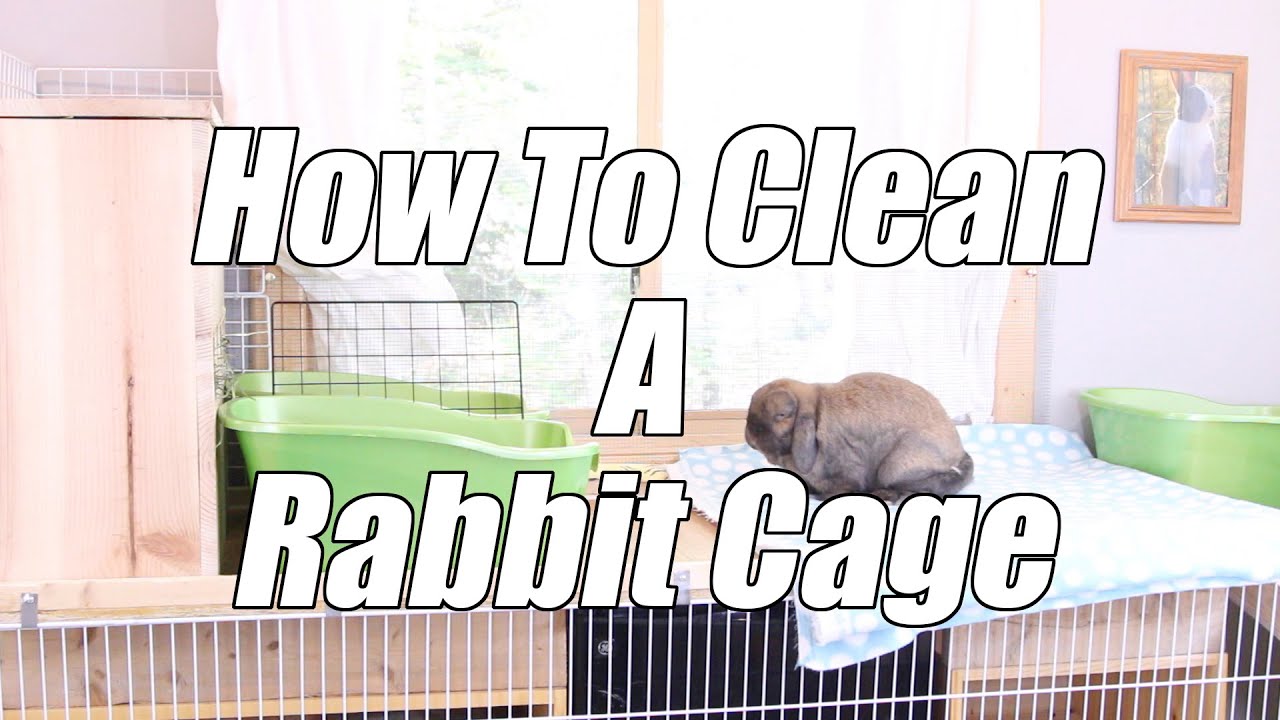
Credit: www.youtube.com
Essential Supplies For Cage Cleaning
Before you start, gather these supplies:
- Rubber gloves to protect your hands
- Mild pet-safe disinfectant or vinegar solution (avoid harsh chemicals)
- Soft brush or sponge
- Trash bag for old bedding and waste
- Paper towels or clean cloths
- Replacement bedding (hay, paper, or wood shavings)
- Litter scoop for spot cleaning
- Water spray bottle (optional, for rinsing)
For beginners, avoid bleach or strong cleaners. Vinegar mixed with water (1:1 ratio) is a safe, cheap option.
Step-by-step: Cleaning Your Bunny’s Cage
Follow these steps for a stress-free cleaning routine:
1. Remove Your Bunny
Start by gently moving your bunny to a safe play area or temporary pen. This keeps them away from cleaning chemicals and stress.
2. Take Out Accessories And Toys
Remove all food bowls, water bottles, litter trays, and toys. Place them aside for washing.
3. Dispose Of Old Bedding
Use gloves and a scoop to remove all soiled bedding, hay, and droppings. Put waste into a trash bag. Don’t compost urine-soaked bedding; it can spread bacteria.
4. Clean The Cage Surface
- Use a brush or sponge to scrub the cage floor, walls, and corners.
- Spray with pet-safe cleaner or vinegar solution.
- Wipe down with paper towels or cloths.
- Rinse with water if needed.
Make sure you reach hidden spots, as bacteria often build up in corners.
5. Wash Accessories
- Clean food bowls and water bottles with soap and hot water.
- Scrub litter trays and toys.
- Rinse well; avoid leaving soap residue.
Replace water bottles with fresh water and refill bowls after drying.
6. Add Fresh Bedding
Line the cage with new bedding. Use enough to cover the floor, but avoid piles that make movement hard.
| Bedding Type | Absorbency | Odor Control | Cost |
|---|---|---|---|
| Hay | Medium | Low | $ |
| Paper-based | High | High | $$ |
| Wood shavings | High | Medium | $ |
7. Return Accessories And Bunny
Put cleaned accessories back in the cage. Place your bunny back gently, and watch their reaction. Rabbits may explore after cleaning; this is normal.
8. Final Check
- Make sure nothing is wet or slippery.
- Double-check for leftover cleaner or sharp objects.
- Close the cage securely.
:strip_icc()/rabbit-cages-cleaning-tips-1239301-Hero-790ccd7143dc4143927027e12db21c6b.jpg)
Credit: www.thesprucepets.com
Common Mistakes Beginners Make
Many new rabbit owners face problems because they don’t know what to avoid. Here are common mistakes:
- Using strong chemicals: These can harm your bunny’s lungs and skin.
- Leaving wet spots: Rabbits hate moisture and may develop foot sores.
- Skipping hidden corners: Bacteria and urine can gather here.
- Not drying accessories: Wet bowls can grow mold.
- Changing bedding too rarely: This leads to bad odors and illness.
A beginner-friendly tip: If your bunny’s cage smells bad before cleaning day, increase spot cleaning or switch bedding type.
Practical Data: How Long Does Cleaning Take?
Cleaning time depends on cage size and cleaning depth:
- Daily spot cleaning: 5–10 minutes
- Weekly deep cleaning: 30–45 minutes
- Monthly disinfecting: 1 hour
For beginners, set a timer for weekly cleaning. This helps you stay consistent and prevents rushing.
| Cage Size | Spot Cleaning | Deep Cleaning |
|---|---|---|
| Small (24″x36″) | 5 min | 30 min |
| Medium (36″x48″) | 7 min | 40 min |
| Large (48″x60″) | 10 min | 50 min |

Credit: www.reddit.com
Tips For Making Cleaning Easier
Cleaning doesn’t have to be stressful. Try these tips:
- Keep all supplies in a bucket near the cage.
- Use bedding that clumps for easy removal.
- Place a mat under the cage to catch spills.
- Train your bunny to use a litter tray. This cuts cleaning time by half.
- Listen to music or use a timer to make the process less boring.
A non-obvious insight: Rabbits often choose one spot for bathroom use. Place extra bedding or a litter tray there to reduce mess.
How To Disinfect Bunny Cages Safely
Disinfecting removes germs, but it must be done safely. Only use products labeled as pet-safe. Avoid bleach unless diluted (1 part bleach to 10 parts water), and rinse well afterward.
Steps for safe disinfecting:
- Remove your bunny and all accessories.
- Wash the cage as usual.
- Apply disinfectant and let it sit for 10 minutes.
- Rinse with water and dry completely.
Disinfect monthly, or after illness, to prevent disease.
For more pet safety tips, check ASPCA Rabbit Care.
What Bedding Should You Use?
Choosing the right bedding matters for cleanliness and your bunny’s health. Avoid cedar or pine shavings — they release oils that harm rabbits. Good bedding options include:
- Paper-based bedding: High absorbency, good odor control, gentle on feet.
- Hay: Natural and edible, but needs frequent changing.
- Aspen shavings: Safe, affordable, and absorbent.
Tip: Mix hay with paper bedding for best results. Test different types to see which works for your bunny.
Signs Your Bunny’s Cage Needs Cleaning
Sometimes, cages need cleaning sooner than scheduled. Look for these signs:
- Strong odor when you enter the room
- Wet bedding or visible urine spots
- Flies or insects near the cage
- Stained accessories
- Bunny avoids certain areas of the cage
If you notice any of these, clean immediately. This prevents health risks.
Cleaning Multi-bunny Cages
If you have more than one rabbit, cages get dirty faster. Follow these steps:
- Increase spot cleaning to twice daily.
- Use larger litter trays.
- Change bedding every 3–4 days.
- Watch for fighting — rabbits may mess the cage on purpose.
Extra tip: Mark each bunny’s favorite spot with different bedding. This helps you see who made each mess.
Real Example: Weekly Cleaning Routine
Let’s walk through an example for a beginner:
- Move your bunny to a safe pen.
- Remove all toys, bowls, and bedding.
- Sweep or scoop all debris.
- Scrub the cage with vinegar and water.
- Rinse and wipe dry.
- Wash accessories and refill with food/water.
- Add fresh bedding (paper-based plus hay).
- Return everything and your bunny.
- Check for wet spots after an hour.
This routine keeps your bunny happy and healthy.
Non-obvious Insights Beginners Often Miss
- Cage location matters: Placing your cage in a well-ventilated area reduces odors and moisture buildup. Avoid damp basements or direct sunlight.
- Rabbits react to cleaning: Some bunnies get nervous after cage cleaning. Offer a treat or gentle petting to calm them.
- Don’t rush drying: Accessories and bedding must be fully dry before your bunny returns. Moisture causes foot sores and fungus.
Frequently Asked Questions
How Often Should I Clean My Bunny’s Cage?
Clean the cage daily for spot messes and once a week for deep cleaning. Large cages or multiple rabbits need more frequent cleaning.
What Cleaners Are Safe For Rabbits?
Use pet-safe disinfectants or diluted vinegar. Avoid bleach or strong household cleaners unless fully rinsed and dried.
Why Does My Bunny’s Cage Smell Bad Quickly?
Bad odors often mean bedding isn’t absorbent enough or cleaning is too infrequent. Try switching to paper bedding and increase spot cleaning.
Can I Use Sand Or Cat Litter In My Bunny’s Cage?
Most cat litters are unsafe for rabbits. Sand doesn’t absorb urine well and can cause health issues. Stick to hay, paper, or aspen shavings.
What Should I Do If My Bunny Gets Sick From A Dirty Cage?
Move your bunny to a clean, dry area and contact a vet. Clean the cage thoroughly and disinfect accessories before returning your pet.
Keeping your bunny’s cage clean is easy once you know the right steps. Clean cages mean healthy, happy rabbits and fewer vet bills. Stick to a regular routine, use safe products, and watch your bunny thrive. With these beginner-friendly tips, you’ll give your rabbit the best home possible.